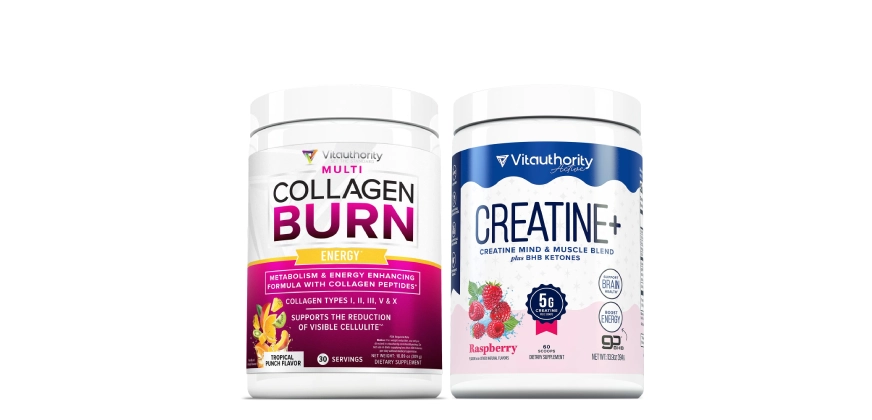
Vitauthority Collagen Burn Reviews: Checking the Doses
Supplement reviews usually argue about whether a product works. That argument is almost never settled. It is not one we are qualified to settle.
There is a narrower question that can be checked, and it is the one these Vitauthority Collagen Burn reviews are built around. For each active ingredient, how does the dose in one serving compare with the dose used in the study that ingredient is being sold on? That is arithmetic rather than opinion, and the answers vary enormously inside this one product.
What is in it, and at what dose
An independent supplement analyst published a breakdown of the label alongside the trials cited for each active. Here is that breakdown with our arithmetic in the final column.
| Ingredient | Dose in product | Dose in cited trial | Share | Servings to match |
| Total collagen peptides | 7.8 g | 2.5 to 10 g per day cited | In range | 1 |
| Grains of paradise extract | Above 30 mg | 30 mg per day | At or above | 1 |
| Hyaluronic acid | 45 mg blend average | 120 mg per day | 37.5% | 2.7 |
| Ashwagandha extract | 44.25 mg blend average | 600 mg per day | 7.4% | 13.6 |
| Chromium | 286% of Daily Value | Daily Value is 100% | 286% | Not applicable |
Read that table from the bottom up and you have the whole story of this formula.
The ingredient at 7.4% of its studied dose
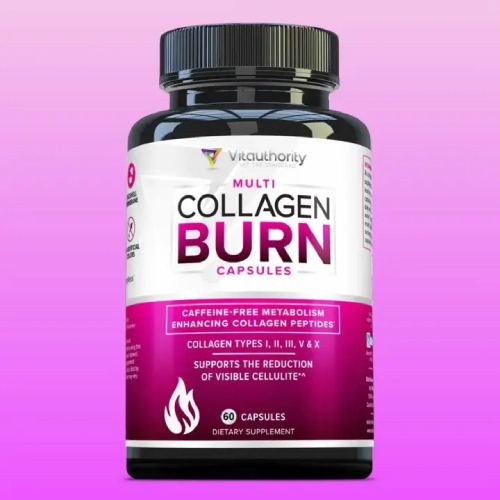
Ashwagandha is one of the actives the product's metabolism positioning rests on. The trial the analyst cites used 600 mg a day. The average dose within the blend works out at 44.25 mg, which is 7.4% of that.
To reach the amount used in the study you would need 13.6 servings a day. Nobody is going to take 13.6 servings a day of anything, and no reasonable person should. The practical reading is that the ashwagandha in this formula is present on the label rather than present at the dose the research used, and the analyst says as much.
Hyaluronic acid has the same shape of problem at a milder scale. The cited trial used 120 mg a day for wrinkle and elasticity outcomes. The blend average is 45 mg, which is 37.5%, so you would need 2.7 servings to match.
Worth saying clearly in fairness to the company. The published figures are blend averages rather than per-ingredient amounts, which is how most blends are labelled. That means the actual ashwagandha content could be above or below 44.25 mg, and nobody outside the company can know from the label. That lack of per-ingredient disclosure is the underlying issue, and it is standard practice across the supplement industry rather than unique to this brand.
The two that do appear to be properly dosed
This is where the formula looks better, and it deserves equal weight.
Total collagen peptides come to 7.8 g per serving, which sits inside the 2.5 to 10 g daily range the analyst cites for oral collagen, and the analyst's view is that oral collagen is likely to improve skin quality and reduce wrinkles. So on the collagen peptides dose, the product is doing what it says.
Grains of paradise extract is reported as above the 30 mg a day used in the trial the analyst cites, which found increased energy expenditure and fat loss at that dose. On that basis the analyst describes the product as somewhat likely to cause weight loss. We are reporting that as the analyst's assessment of a single cited trial, not as a claim of our own, and a single trial is not a settled body of evidence.
The chromium figure, and why it matters most
Chromium is listed at 286% of the Daily Value, which is 2.86 times the reference amount.
The independent analyst does not recommend this product, and the chromium dose is the main stated reason. The analyst's published concern is that intake well above the Daily Value may be unsafe.
We are going no further than reporting that, because we are not qualified to and nor is any blog. What we will say is that if you are considering this or any multi collagen supplement, the chromium figure is the specific line on the label to take to a pharmacist or doctor, especially if you take medication for blood sugar or have any kidney or liver condition. That conversation is free and it is the only sensible way to resolve a question like this.
The question the format raises
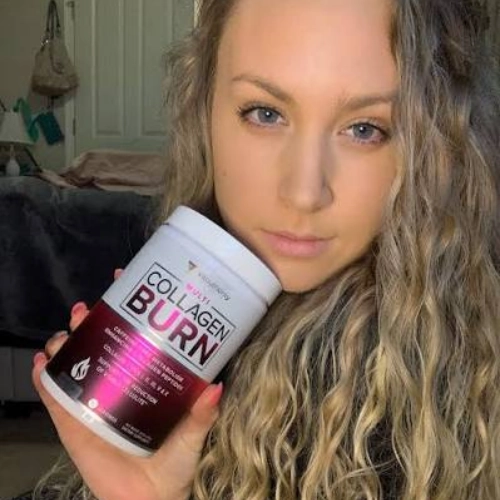
One structural observation from the analyst's review that we think is fair and useful. Collagen is conventionally sold for skin, hair, nails and joints. It is not a weight loss ingredient, and the analyst questions whether collagen makes sense as the base of a weight loss product at all.
That is worth sitting with, because the product's name joins two different propositions. The collagen peptides dose is in the researched range for skin outcomes. The metabolism actives are a mix of one at or above its studied dose and one at 7.4% of it. Those are not one product doing one job, and a buyer should decide which of the two jobs they actually want.
The analyst also notes the collagen content per serving is relatively low in the category, which makes the product expensive per gram of collagen against competitors. Anyone whose goal is simply collagen intake can usually get more grams per dollar from a plain unflavoured powder than from a multi collagen supplement with added actives.
Frequently asked questions
Does Collagen Burn work?
We cannot tell you that, and neither can any review. What the published analysis shows is that two actives are at or within their cited study doses and two are well below. The analyst's overall conclusion was not to recommend the product, on chromium grounds.
How much collagen is in one serving?
7.8 grams of multi-type hydrolysed collagen peptides, which falls within the 2.5 to 10 gram daily range the analyst cites.
Why does the chromium level matter?
Because it is 286% of the Daily Value, and the independent analyst flagged intake well above the Daily Value as a possible safety concern. This is a question for a healthcare professional rather than for a product page or a blog.
Is there a cheaper way to get the collagen?
On the analyst's reading, yes. The product is expensive per gram of collagen compared with competitors, so a plain collagen powder generally gives more grams per dollar without the added actives.
Can I just take more servings to reach the study doses?
No, and please do not try. Reaching the ashwagandha trial dose would need 13.6 servings, which would also mean 13.6 times the chromium. We include that multiple to show how far the dose sits from the research, not as a dosing suggestion.
How we would read these Vitauthority Collagen Burn reviews
The honest summary is mixed rather than damning. The collagen peptides dose is sound and the grains of paradise content is reported at or above its studied level. Two other actives are at a small fraction of the doses in the trials cited for them, and one independent analyst declines to recommend the product because of the chromium level.
If what you want is collagen, a plain powder is likely cheaper per gram. If what you want is the metabolism blend, note that one of its two headline actives sits at 7.4% of the studied dose. And whichever you decide, take the chromium figure to a pharmacist before you start, because that is the one line on this label that is a health question rather than a value question.
Do you agree with our Vitauthority Collagen Burn Reviews: Checking the Doses review?
Comments (0)
All comments are reviewed and approved by an admin before appearing publicly.
No comments yet - be the first to share your thoughts.
Ask a Question
Got a question about this review or the brand? Ask below - our team answers what we can, and it'll appear here for other readers too.